

OPENING THEORY: BIRD'S OPENING
An aggressive flank opening starting with 1.f4. It stakes control of e5 and readies an immediate kingside attack, leading to sharp positions.

OPENING THEORY: ALEKHINE DEFENCE
A hypermodern defense where Black provokes White's center pawns forward, planning to undermine the overextended structure later.
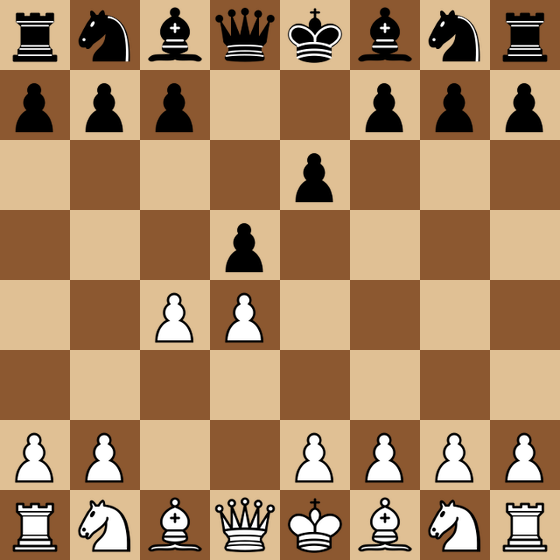
OPENING THEORY: KING'S PAWN OPENING
The most popular starting move. 1.e4 fights for center control, releases the light-squared bishop, and leads to open tactical chess.
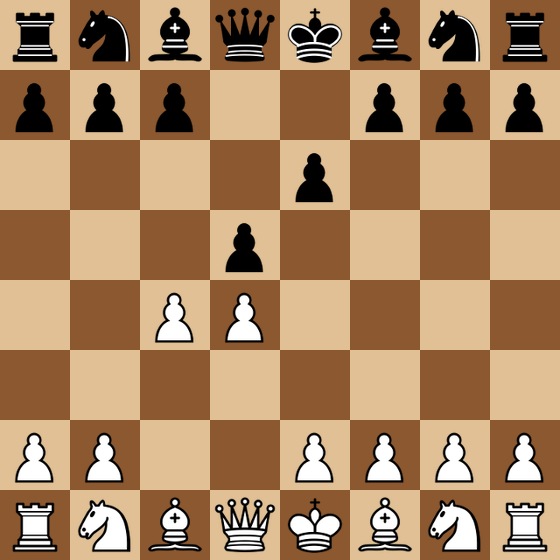
OPENING THEORY: QUEEN'S GAMBIT
One of the oldest respected openings. White offers a flank pawn for central control, leading to rich, long-term strategic plans.
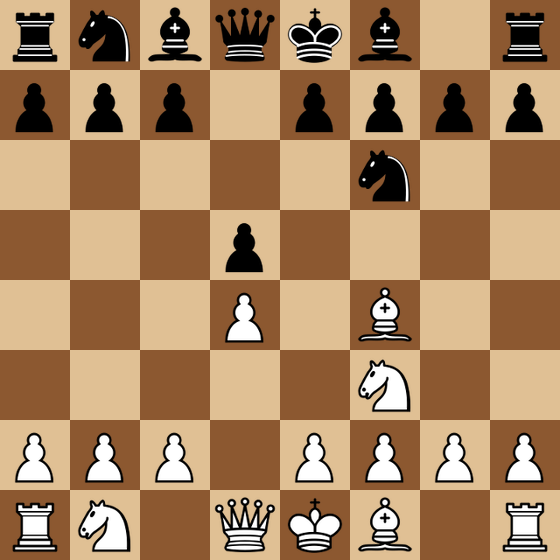
OPENING THEORY: THE LONDON SYSTEM
A reliable setup starting with d4, Nf3, and Bf4. Excellent for beginners who want a solid, simple repertoire without complex theoretical memorization.
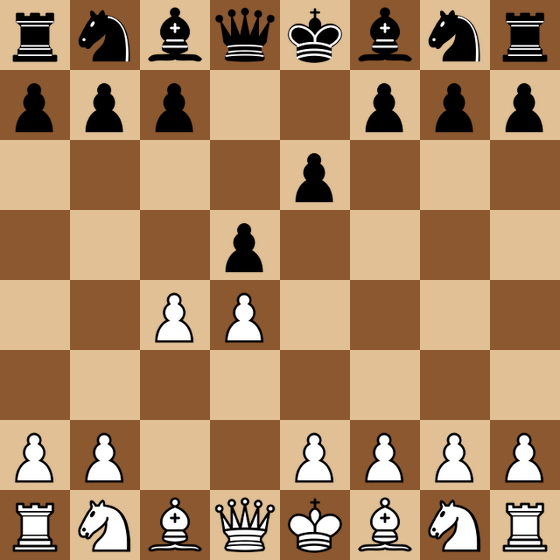
OPENING THEORY: ENGLISH OPENING
White controls d5 from the flank with 1.c4. Highly flexible, strategic, and frequently transposes to avoid early prepared lines.
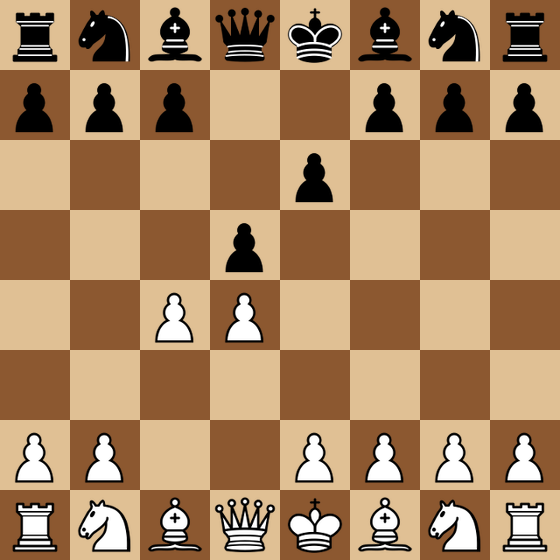
OPENING THEORY: SICILIAN DEFENSE
The most popular reply to e4. Black fights aggressively for center squares from the flank, resulting in asymmetric and double-edged tactics.
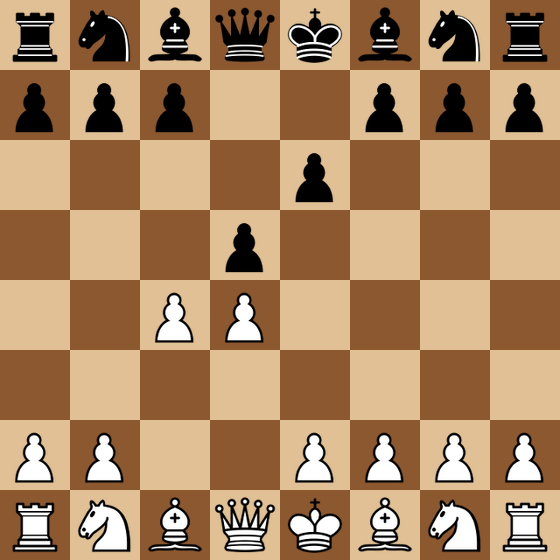
OPENING THEORY: FRENCH DEFENSE
A solid, structural counter to e4. Black secures a strong defensive wall and targets counterplay on the queenside, leading to dense strategical games.
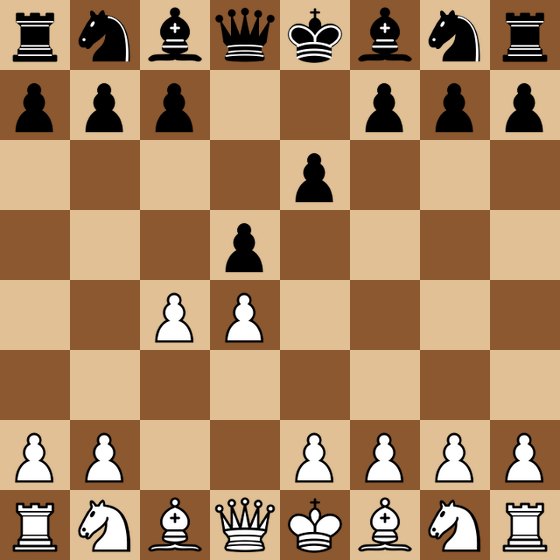
OPENING THEORY: CARO-KANN DEFENSE
An exceptionally robust reply to e4. Black establishes a healthy pawn chain and active bishop placement, leading to secure endgames.
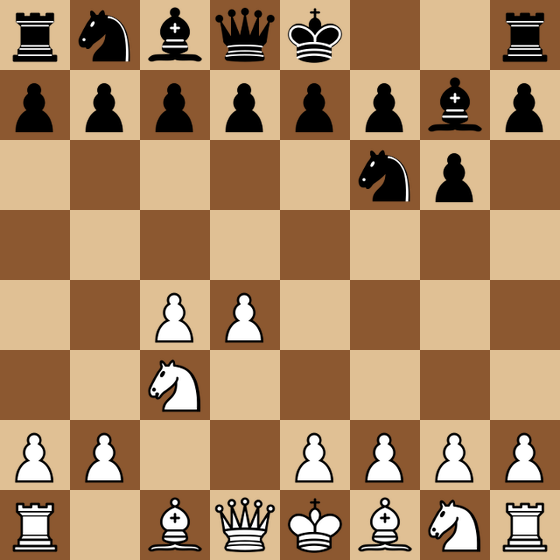
OPENING THEORY: KING'S INDIAN DEFENSE
A hypermodern defense where Black permits a large white center, later striking back dynamically with pawns and kingside attacks.
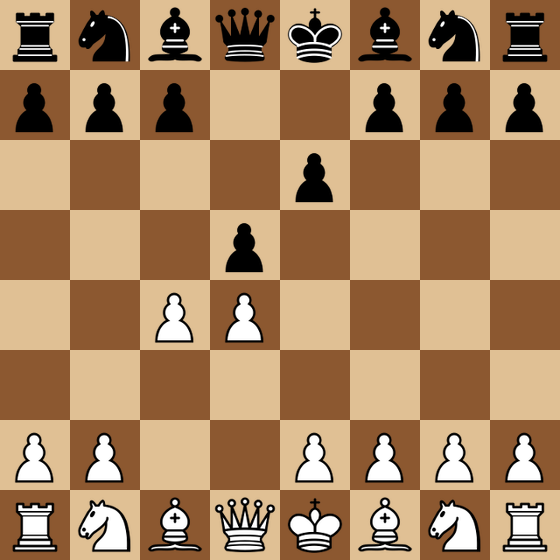
OPENING THEORY: NIMZO-INDIAN DEFENSE
A premier defense for Black, pinning the c3 knight to disable White's center pawns. High positional depth favored by world champions.
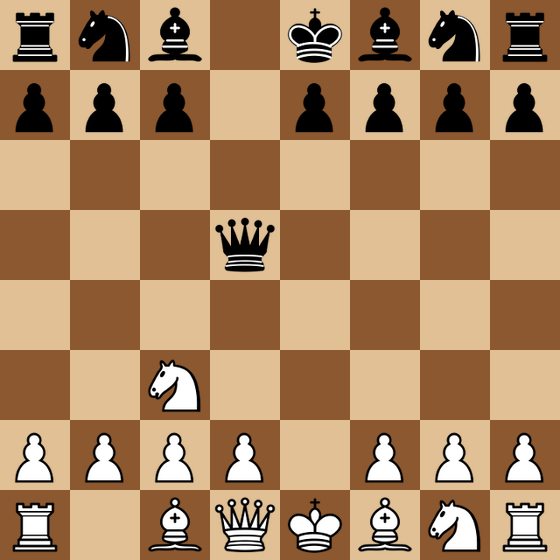
OPENING THEORY: SCANDINAVIAN DEFENSE
A direct, classical counter attacking the center immediately with 1...d5. Leads to clear files and open play for both sides.
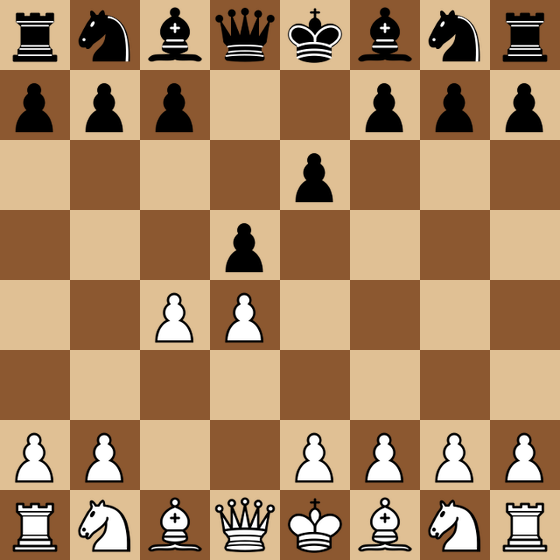
OPENING THEORY: BENKO GAMBIT
Black sacrifices a pawn early on the queenside to open a and b files for rooks, establishing permanent positional pressure.
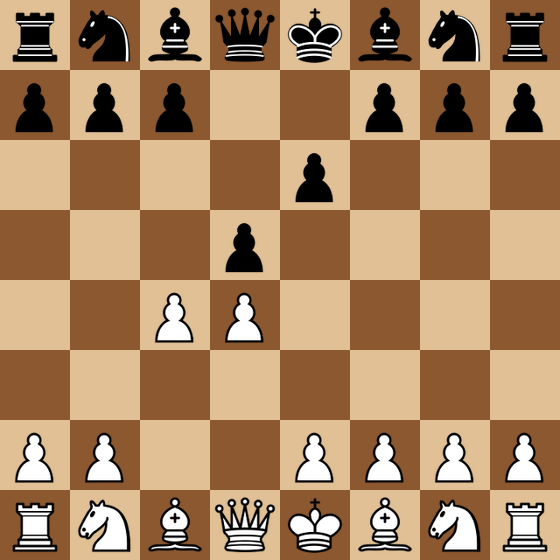
OPENING THEORY: THE TROMPOWSKY ATTACK
An aggressive and flexible choice for 1.d4 players, developing the bishop early to g5 to threaten Black's f6 knight.
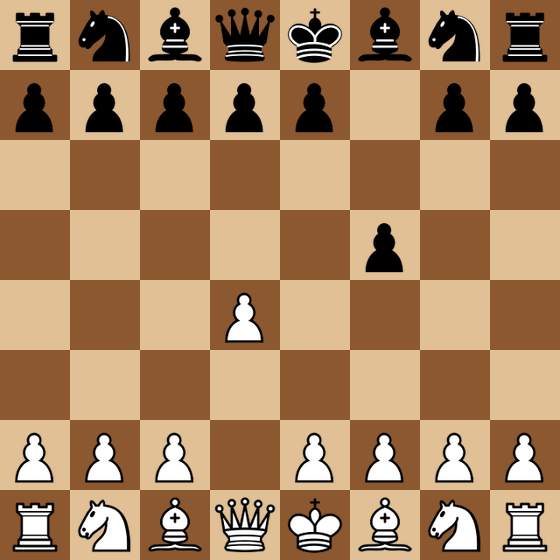
OPENING THEORY: THE DUTCH DEFENCE
An aggressive response to 1.d4, aiming for structural imbalance with 1...f5 to start a kingside attack early.
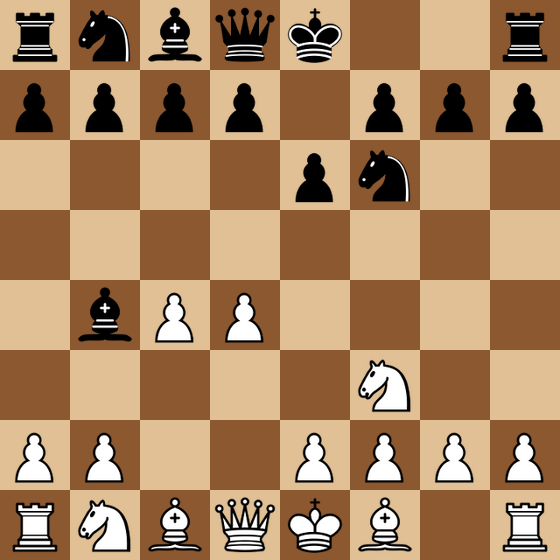
OPENING THEORY: THE BOGO-INDIAN DEFENSE
A solid flank defense focusing on rapid piece play and timely pawn breaks when White avoids the Nimzo-Indian.
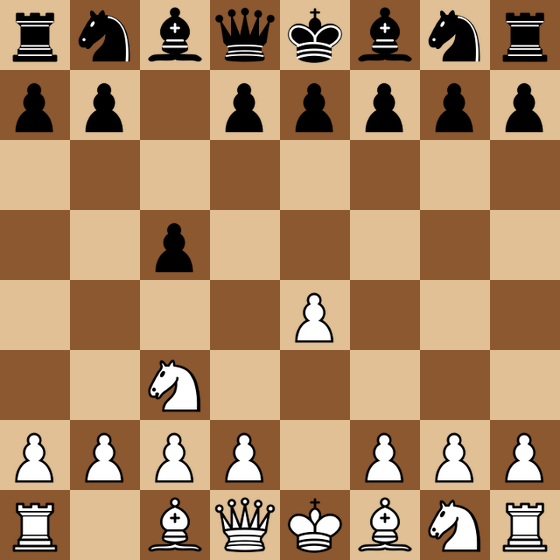
OPENING THEORY: CLOSED SICILIAN
A quiet, strategic alternative to the Open Sicilian, focusing on gradual development and kingside attack plans.
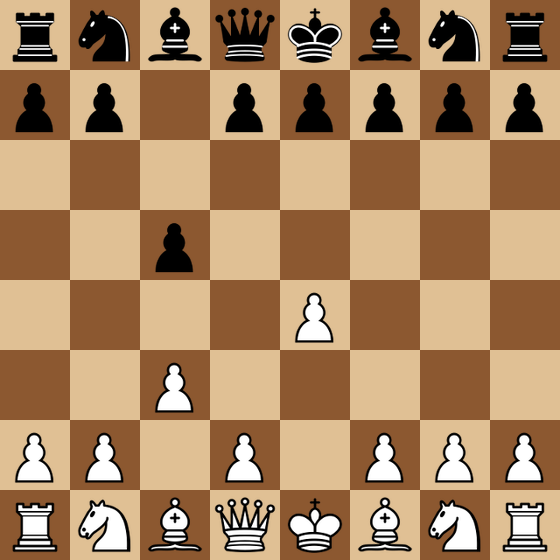
OPENING THEORY: ALAPIN SICILIAN
A solid, logical response to the Sicilian, preparing a classical pawn center with 2.c3.
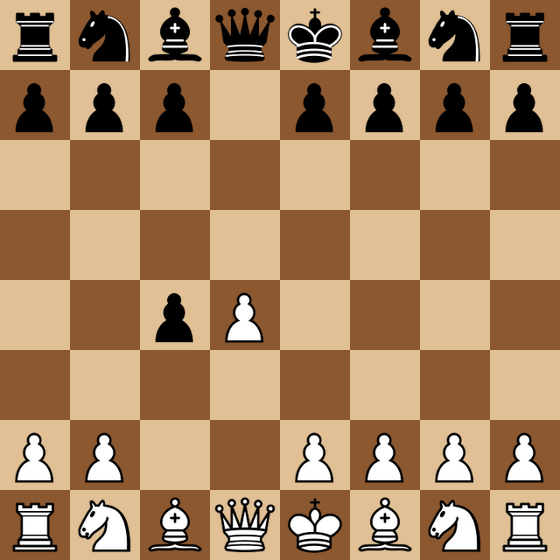
OPENING THEORY: THE QUEEN'S GAMBIT ACCEPTED
An active defense against 1.d4, immediately challenging White's center by accepting the gambit pawn.
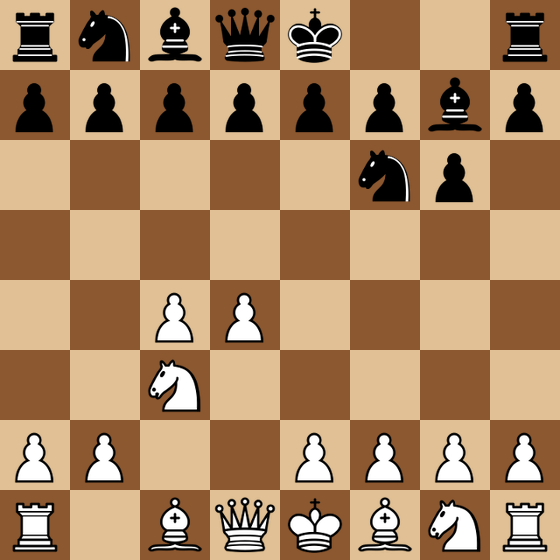
OPENING THEORY: BENONI DEFENSE
An aggressive response to 1.d4 (1...Nf6 2.c4 c5 3.d5). Black invites White to gain a space advantage in exchange for dynamic counterplay.
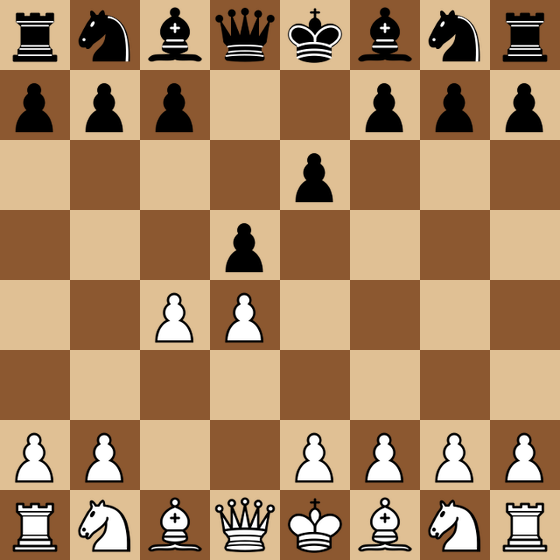
OPENING THEORY: CATALAN OPENING
A combination of the Queen's Gambit and a kingside fianchetto. White gains long-term pressure on the queenside from a solid defensive setup.
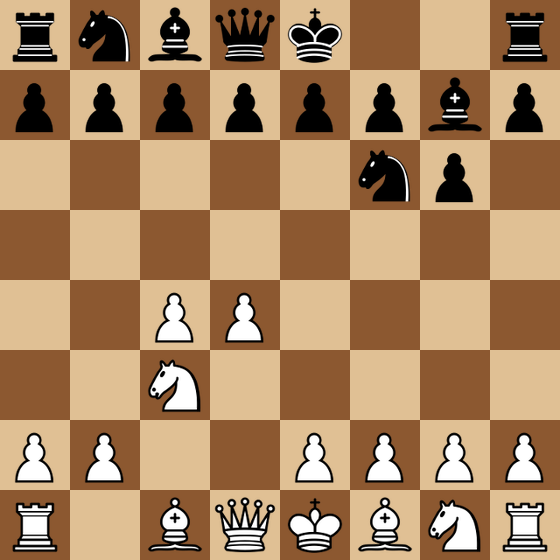
OPENING THEORY: GRÜNFELD DEFENSE
A sharp, hypermodern defense where Black allows White to construct a large pawn center, planning to immediately attack and dismantle it.
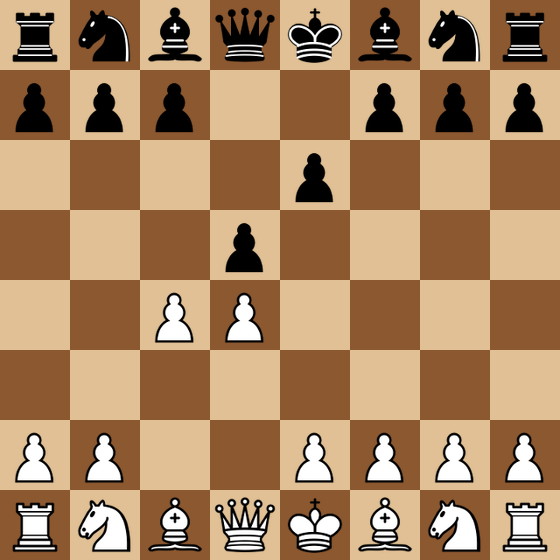
OPENING THEORY: ITALIAN GAME
One of the oldest opening paths (1.e4 e5 2.Nf3 Nc6 3.Bc4). Focuses on rapid development, central control, and attacking the vulnerable f7 square.
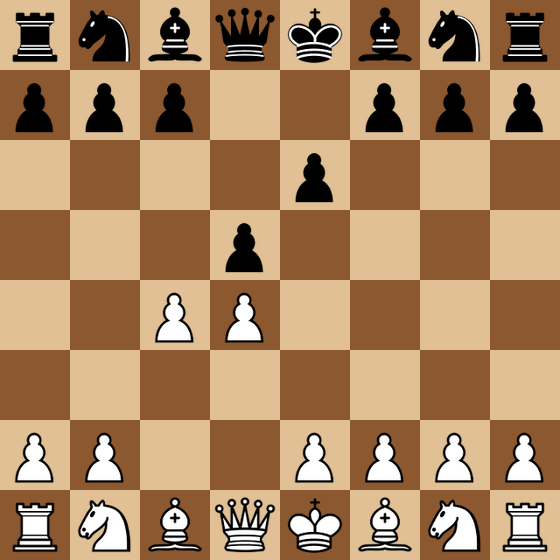
OPENING THEORY: PETROV'S DEFENSE
A symmetric and highly resilient counter to 1.e4 e5 2.Nf3 (2...Nf6). Black counters White's central threat by immediately attacking White's e4 pawn.
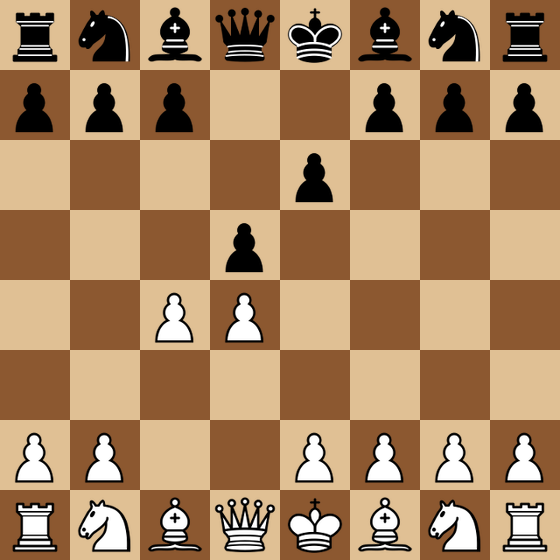
OPENING THEORY: PIRC DEFENSE
A hypermodern setup starting with 1.e4 d6 2.d4 Nf6 3.Nc3 g6. Black develops slowly, preparing a timely central counter-strike.
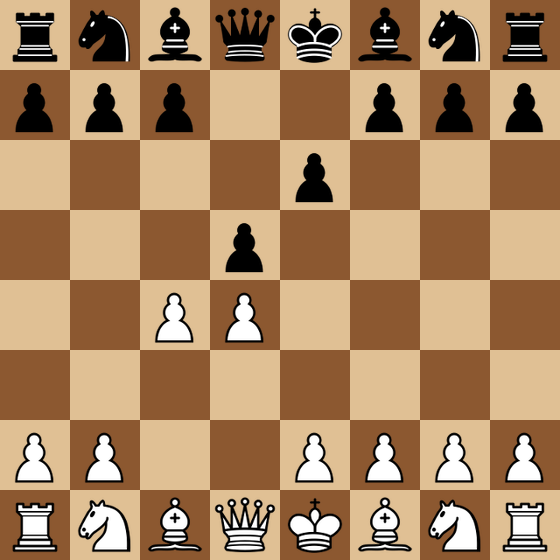
OPENING THEORY: RUY LOPEZ
A classic, foundational opening path (1.e4 e5 2.Nf3 Nc6 3.Bb5). White targets Black's defender of e5, leading to rich strategic battles.
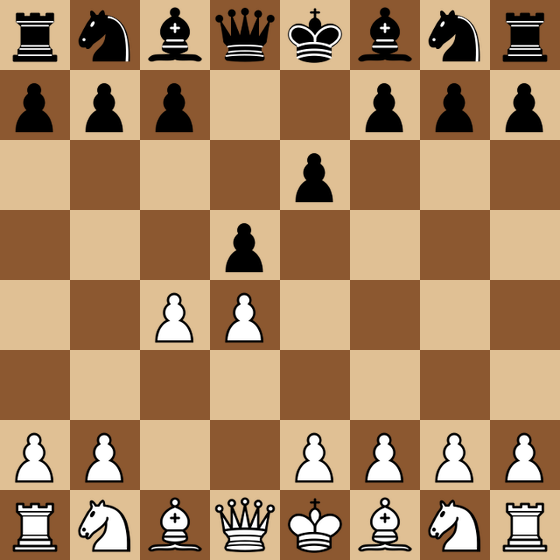
OPENING THEORY: SEMI-SLAV DEFENSE
A highly resilient closed defense combining the structures of the Orthodox Queen's Gambit Declined and the Slav Defense.
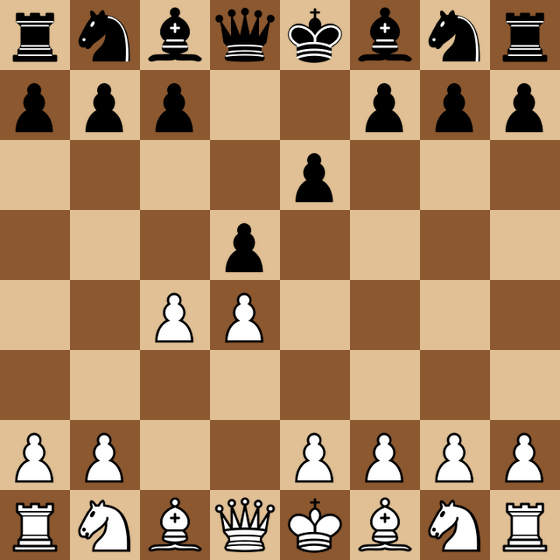
OPENING THEORY: SLAV DEFENSE
One of Black's most reliable defenses against 1.d4, reinforcing the central d5-pawn with 2...c6. Avoids locking in the light-squared bishop.
Chess Opening Theory – Key Principles to Know
No matter which chess opening you choose, these principles apply to every single one:
How to Practice Chess Openings on Float Chess
Reading about chess openings is only half the work. The other half is practice. Float Chess gives you a free chess computer where you can test every opening you study. Here is the best way to use it:
Pick one chess opening from this page
Choose an opening that suits your preferred style of play.
Study the first 5 to 8 moves and understand each idea
Understand the underlying ideas, plans and structures before playing.
Go to Float Chess and play that opening against the computer
Test the theory by launching it directly against our engine.
Repeat until the moves feel completely natural
Reinforce your muscle memory through constant practice iterations.
Then move on to learning the next variation
Expand your repertoire step-by-step with new variations.
Most Popular Chess Openings by Level
Recommended repertoires mapped to your chess rating and development level.
- King's Pawn Opening (e4)
- London System
- Italian Game
- Sicilian Defense
- Queen's Gambit
- French Defense
- Caro-Kann Defense
- Nimzo-Indian Defense
- King's Indian Defense
- English Opening
- Ruy Lopez (Spanish Game)
- Grunfeld Defense
Explore More Chess Resources
Expand your opening knowledge further using these external chess reference databases and play sites: