OPENING THEORY: THE RUY LOPEZ
A detailed opening repertoire for the Ruy Lopez
OPENING
4/29/20265 min read
The Ruy Lopez
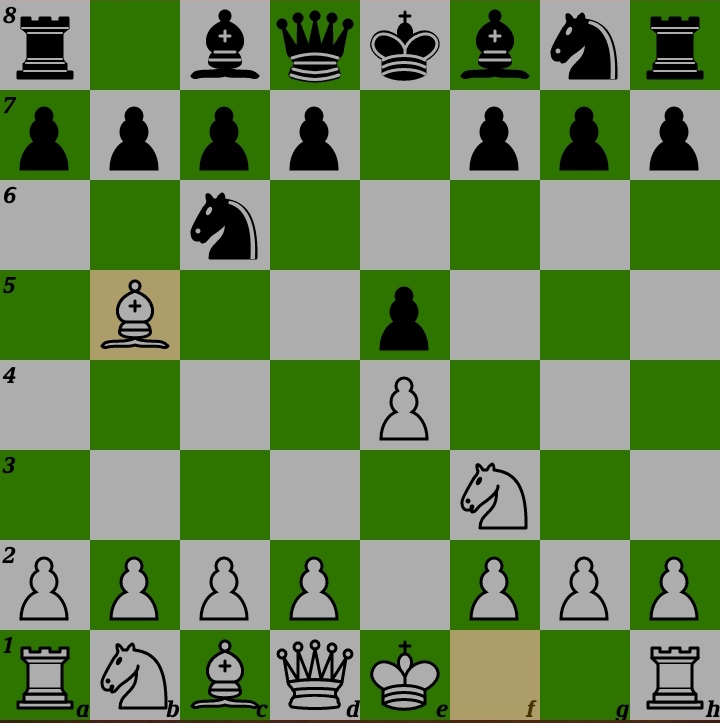
The Ruy Lopez begins with:
e4 e5
Nf3 Nc6
Bb5
This is one of the oldest and strongest openings in chess, yet it remains popular at every level because the ideas are logical and rich. White does not attack the knight on c6 simply to exchange it. The bishop move has a deeper purpose: the knight on c6 is one of the defenders of Black’s e5-pawn, so White immediately places pressure on the centre.
White’s long-term aim is usually to castle, support the centre with c3, and then play d4. Black, meanwhile, wants to complete development, hold the e5-pawn securely, and challenge White’s central ambitions at the right moment.
WHITE SAYS:
I'm going to attack your e-pawn and prevent you playing d5 to free your game. At the same time I'll set up a pawn centre with d4, perhaps after playing c3 first.
BLACK SAYS:
I'm going to defend my centre and play to reach an equal position. I'll make sure you don't take over all the centre and when you overreach I'll hit back and take the advantage.
What happens next?............The tactical battle over the next few moves revolves around the two e-pawns. The best way to explain this is to go through the most popular variation move by move. The first thing to note is that White is not yet threatening the e-pawn. If he plays Bb5xc6 d7xc6 Nf3xe5 Black will win the pawn back with a Queen Fork: Qd8-d4 with a good position. So Black usually plays: 3... a7-a6 to be able to break the potential pin whenever he chooses. 4. Bb5-a4 Ng8-f6 Black does best to wait until he's closer to castling before playing b7-b5. 5. 0-0 Now White's King is safe he is threatening the e-pawn. 5... Bf8-e7 Nf6xe4 is the Open Variation: Black can take the pawn but not keep it. Instead he plugs the e-file so is now threatening the e-pawn. 6. Rf1-e1 White defends his e-pawn and in doing so renews the attack on the Black epawn. 6... b7-b5 7. Ba4-b3 d7-d6 Now both e-pawns are safe. White continues with c2-c3, preparing d2-d4.
Ideas for White:
1. Look for opportunities to capture safely on e5, especially if Black's foolish enough to play d5. 2. Don't play Nb1-c3 before d2-d4. If Black plays an early d7-d6 you can reply with d2-d4 followed by Nb1-c3. Otherwise, play c2-c3 before d2- d4. 3. If you've played c2-c3 look for the Knight tour Nb1-d2, f1, g3, f5 or Nb1- d2, f1, e3, d5. 4. If Black plays Bf8-c5 early on it's often worth playing Nf3xe5 followed by d2-d4. 5. Before Black's castled you can often give up your e-pawn to catch his King on the open e-file. Otherwise, make sure your e-pawn is defended. 6. Learn the Noah's Ark Trap: if White takes on d4 with his Queen: Black plays c7-c5 to hit the Queen and c5-c4 to trap the Bishop.
Ideas for Black:
1. Make sure your e-pawn is defended at all times. In particular, playing d7-d5 with the White Bishop on b5 or a4 will probably allow Nf3xe5. 2. Be very careful about capturing on e4 when your King is still in the centre: watch out for tactics on the e-file. 3. If you're playing down the main line make sure you get the move order right. 4. In the middle game look for ways of attacking White's centre with c7-c5 or d7-d5. 5. If you're defending the Exchange Variation keep the Bishops if you can. Most pawn endings will be lost. 6. If you're looking for a sharp defence to e2-e4 a look at the Schliemann Defence, 3... f7-f5.
THE STEINITZ DEFENCE (1. e2-e4 e7-e5 2. Ng1-f3 Nb8-c6 3. Bf1-b5 d7-d6)
Not Black's best move, but often played by those who think the e-pawn is attacked. White should reply 4. d2-d4 when Black has a solid but cramped position. White is already threatening d4-d5 so Black should play Bc8-d7. White then does best to continue developing with Nb1-c3 rather than pushing the d-pawn.
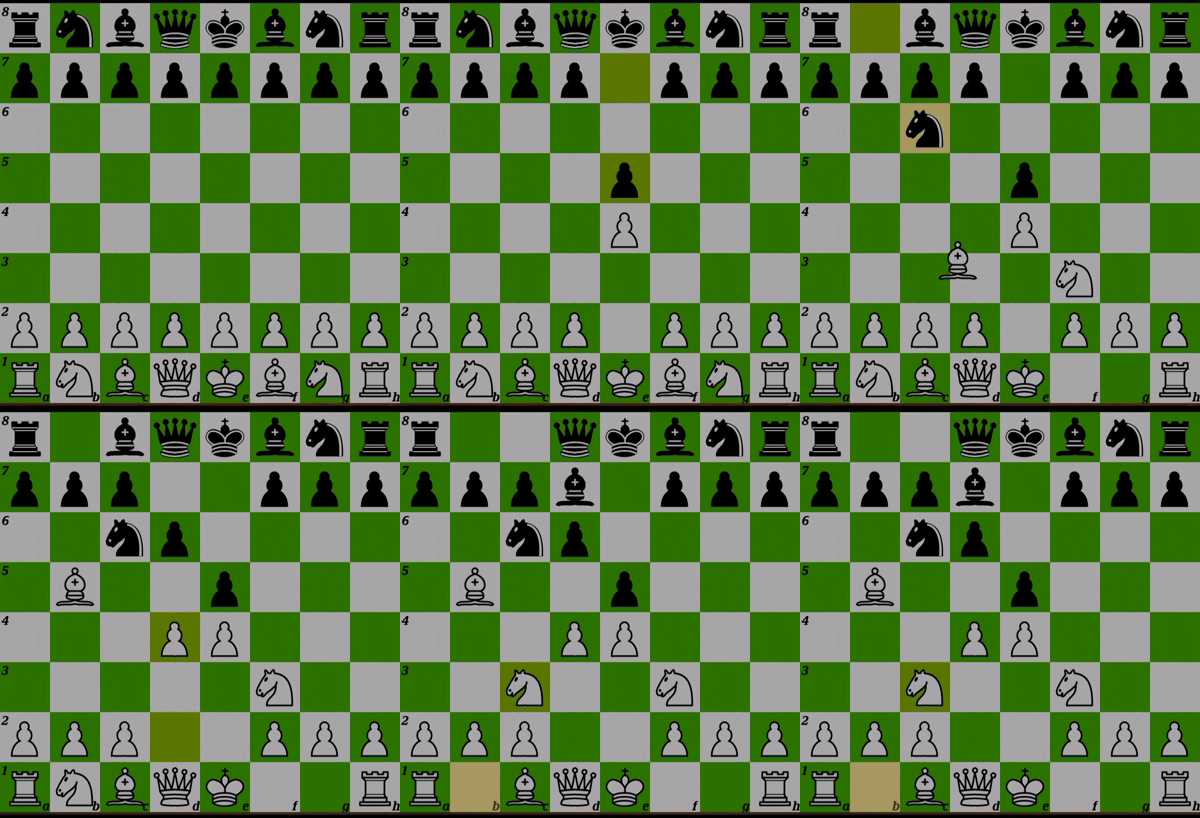
THE CLASSICAL DEFENCE(1. e2-e4 e7-e5 2. Ng1-f3 Nb8-c6 3. Bf1-b5 Bf8-c5)
Another move you'll often meet at lower levels. White's ideas are c2-c3 followed by d2-d4 and Nf3xe5 followed by d2-d4, possibly preceded by 0-0. The same ideas are possible at any time if Black plays an early Bf8-c5. Both plans give White chances of an advantage.
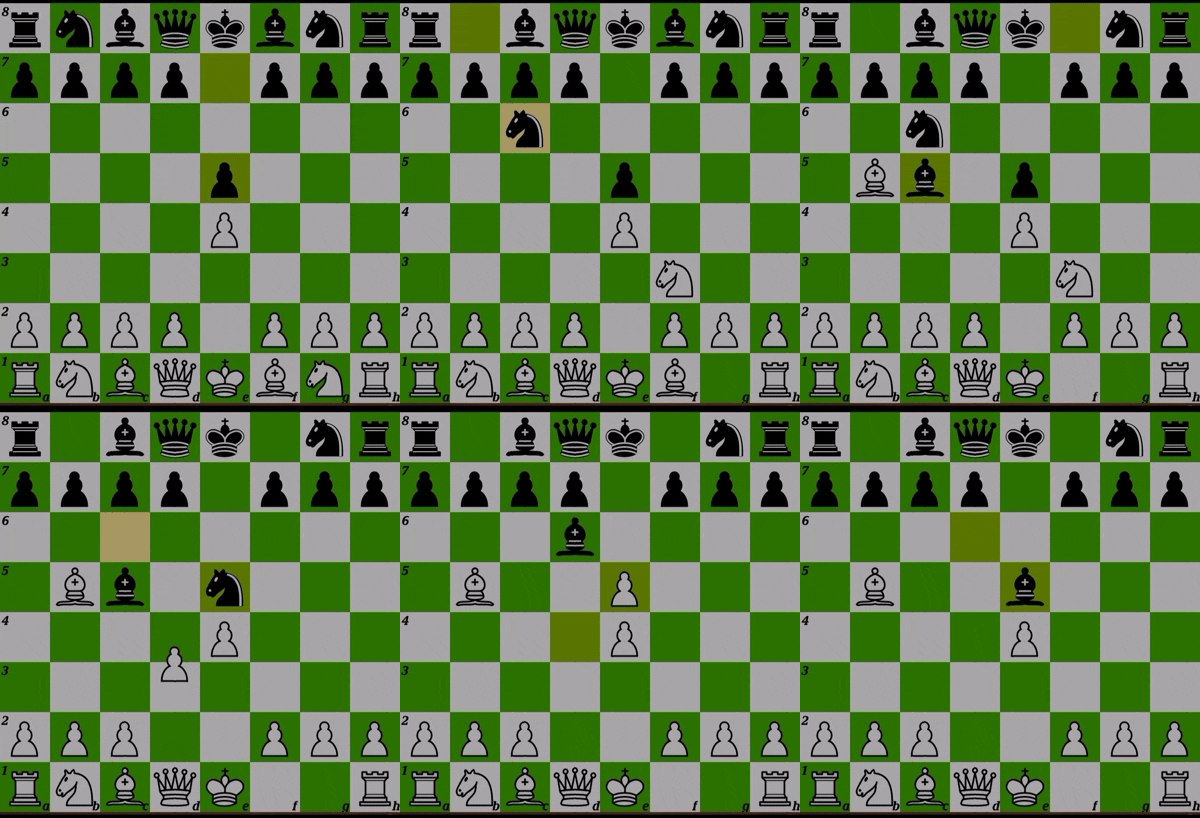
THE BERLIN DEFENCE (1. e2-e4 e7-e5 2. Ng1-f3 Nb8-c6 3. Bf1-b5 Ng8-f6)
Another solid defence. White's usual reply is 4. 0-0, threatening the e-pawn. Then d7-d6 is a Steinitz Defence. Or Black can play Nf6xe4 when White can regain the pawn at once with Rf1-e1 or play the stronger, but more complicated, d2-d4. Black has to be careful about tactics on the e-file.
THE EXCHANGE VARIATION(1. e2-e4 e7-e5 2. Ng1-f3 Nb8-c6 3. Bf1-b5 a7-a6 4. Bb5xc6 d7xc6)
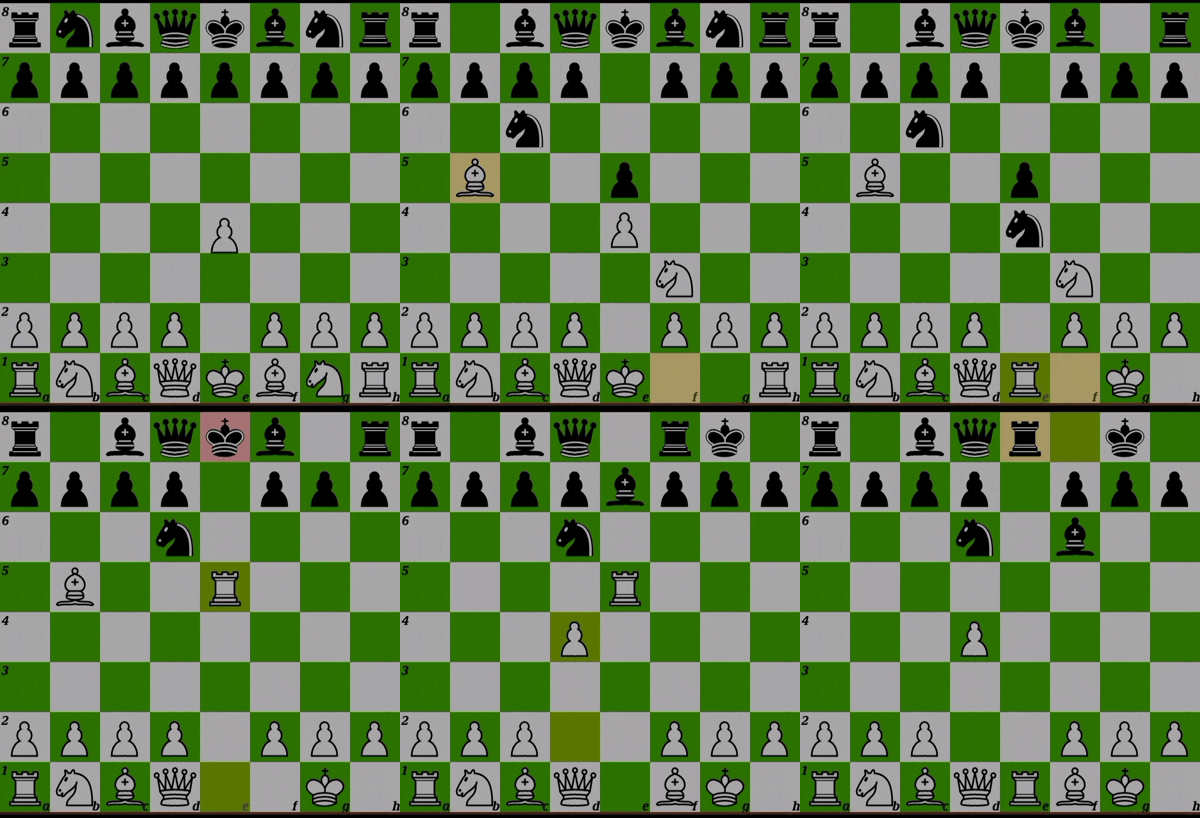
A good choice for White if you like simplified positions and endings. He could now play 5. d2-d4 e5xd4 6. Qd1xd4 Qd8xd4 7. Nf3xd4 when White will be winning the pawn ending if Black lets him get there, or he could defend his pawn directly with Nb1-c3 or d2-d3, or indirectly with 0-0 (the best move) and see how Black proposes to defend his threatened e-pawn.
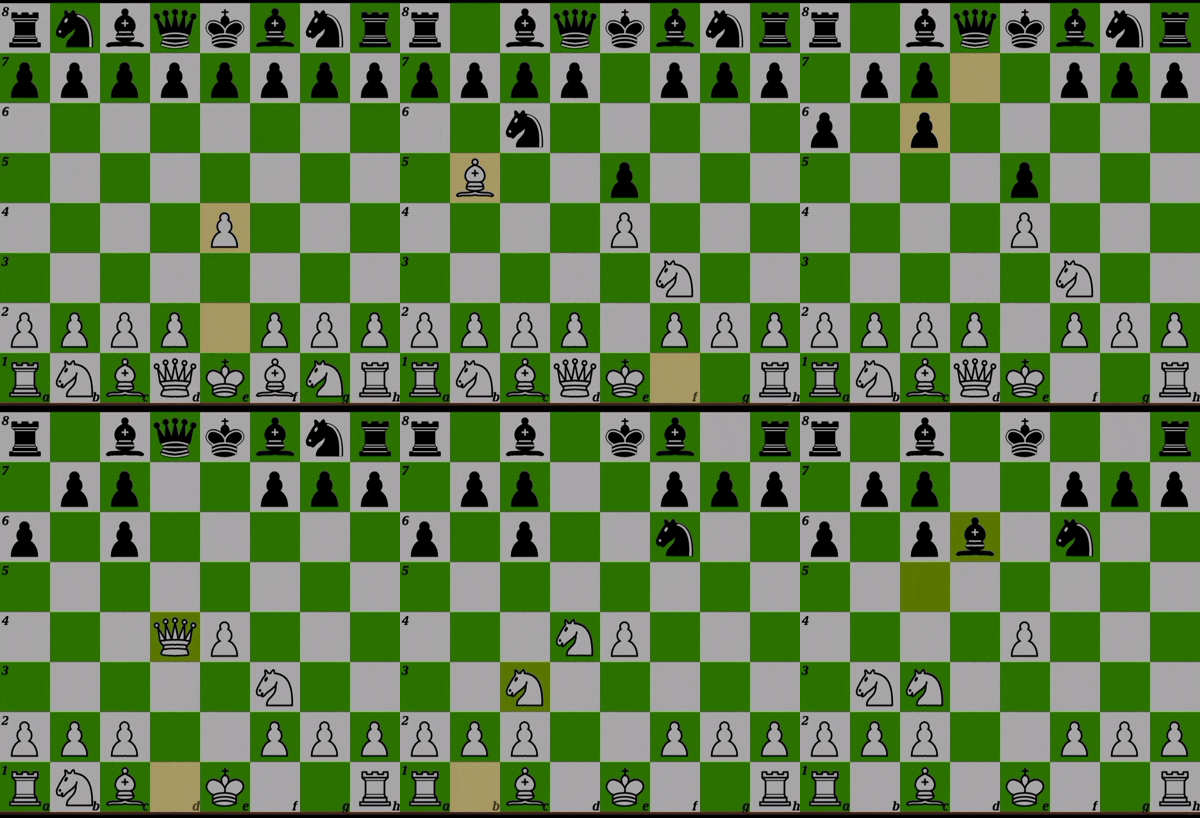
THE CLOSED VARIATION(1. e2-e4 e7-e5 2. Ng1-f3 Nb8-c6 3. Bf1-b5 a7-a6 4. Bb5-a4 Ng8-f6 5. 0-0 Bf8-e7 6. Rf1-e1 b7-b5 7. Ba4-b3 0-0 8. c2-c3)
Black can sacrifice a pawn with d7-d5 (the Marshall Gambit) or play d7-d6 (also often played on move 7). Then White usually plays h2-h3 to prevent Bc8-g4 and only then d2-d4.
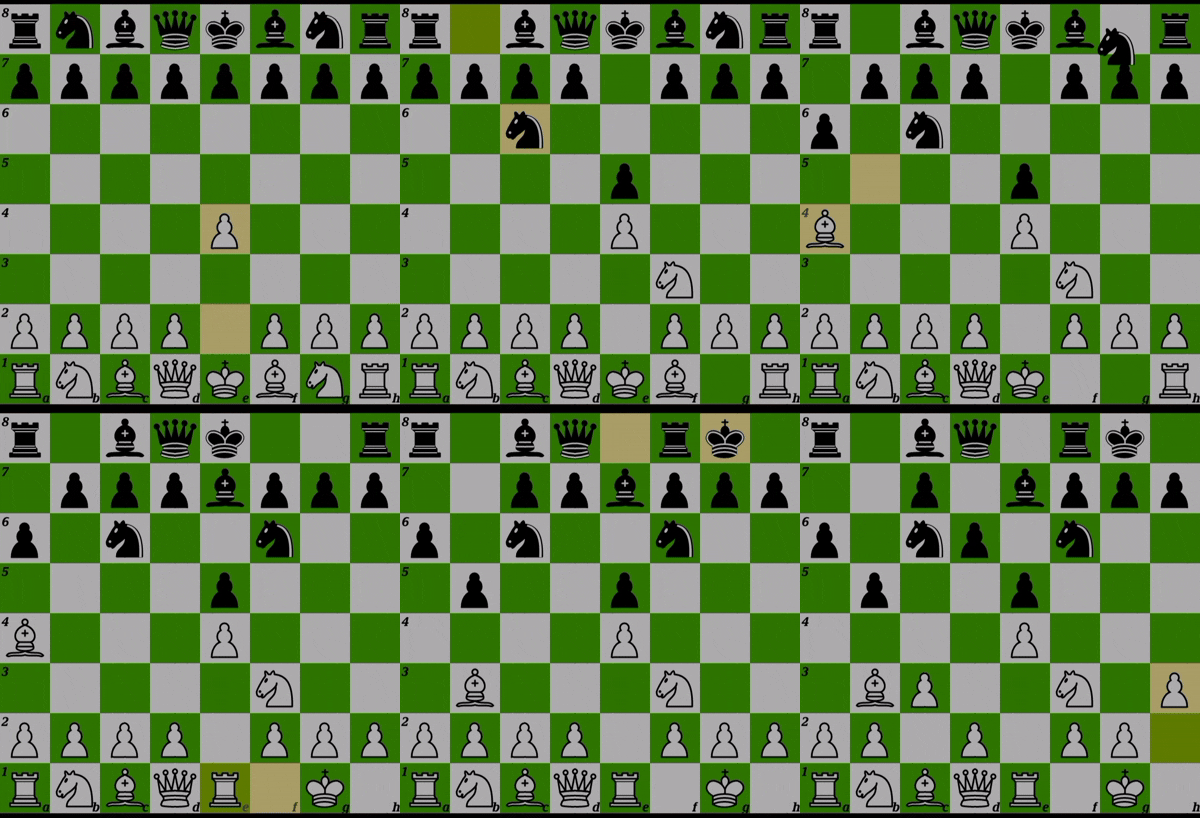
THE OPEN VARIATION (1. e2-e4 e7-e5 2. Ng1-f3 Nb8-c6 3. Bf1-b5 a7-a6 4. Bb5-a4 Ng8-f6 5. 0-0 Nf6xe4)
6. Rf1-e1 is the simplest move but play usually continues 6. d2-d4 b7-b5 (e5xd4 is too dangerous) 7. Ba4-b3 d7-d5 8. d4xe5 Bc8-e6 when Black has active piece play but his Queen-side pawns may become weak and his King-side looks a bit short of defenders. But it's still a good choice for Black if he favours a tactical game.