THE ENDGAME:
The Endgame is one of the hardest parts of a game of chess. Even the best players in the world find themselves struggling to materialize the advantage they the gathered throughout the middlegame to win the game.
Although there are many many complex concepts in the Endgame, we will limit ourselves to basic concept in this discussion. Before diving into the theory, we must know what an Endgame is. An Endgame is the play after both the queens get off the board(by virtue of being captured). They re often characterized by less number of pieces than the middles game, usually having more open type position(although many times a closed Endgame can occur too) and, high importance of Pawns and King activity.
There are many concepts found in Endgames. Some of them are as follow:
1. Concept of past pawn and defence against it.
2. Concept of pawn structure and pawn enhancement.
3. Concept of opposition.
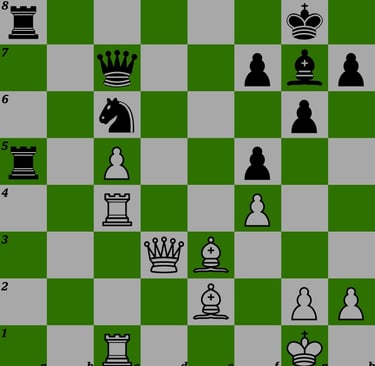
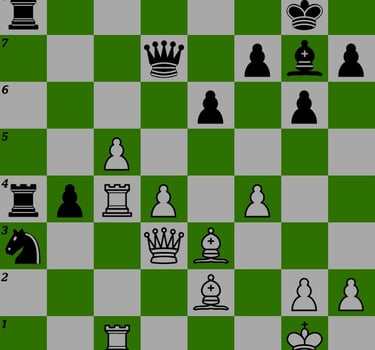
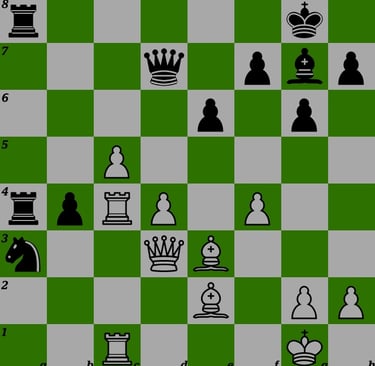
CONCEPT OF PAST PAWN AND DEFENCE AGAINST IT:
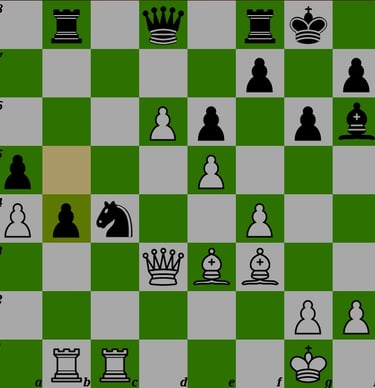
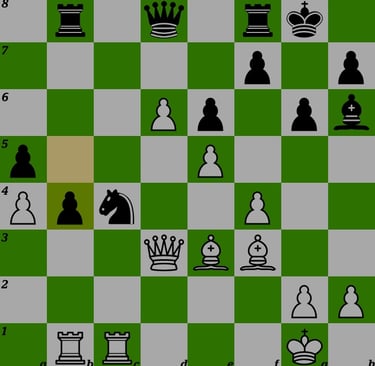
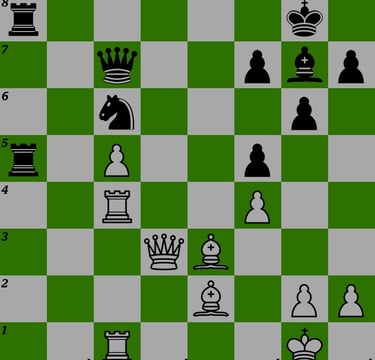
A past Pawn is a pawn that has no other Pawns obstructing its path to promotion. The presence of such Pawns in a game can lead to change in the entire trajectory of the game.
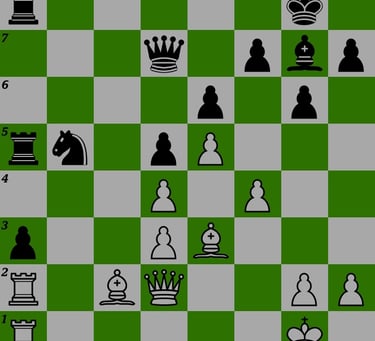
THERE ARE A FEW DIFFERENT TYPES OF PAST PAWNS. LET'S DISCUSS THEM ONE BY ONE:
1. PROTECTED PAST PAWNS: these pawns are of the hardest to deal with. These are past Pawns that are protected by other pawns. Thus, they are hard to get rid of.
2.CONNECTED PAST PAWNS: these are past pawn connected to each other forming a chain.
3.OUTSIDE PAST PAWNS: past pawns in the flanks are especially harder to deal with. These pawns are called 'outside past Pawns'.
4.ISOLATED PAST PAWNS: These are past pawns that have no pans of any colour in adjusant columns.
HOW TO TAKE ADVANTAGE OF PAST PAWNS:
Past pawns can be a great asset for any player in an endgame. There are a few general rules regarding past pawns.
1. past pawns are harder to defend with less pieces on the board. That is why it is more preferable to trade as many pieces as possible in most situation. We can even use the threat of trading our pieces to gradually take a dominant stance.
2. if we are unable to trade out pieces then, we should try aggressive play on the other parts of the board. For example, if we have a Queenside past pawn, we should try for aggressive Kingside play. This will force our opponent to divert his resources to the Kingside and easing the path of our past pawn. Similarly, if we have a central past pawn, we can try for flank side active play.
One can defend against past pawns by reserving pieces on the board and try to create counterplay on the same side of the board as the past pawns.
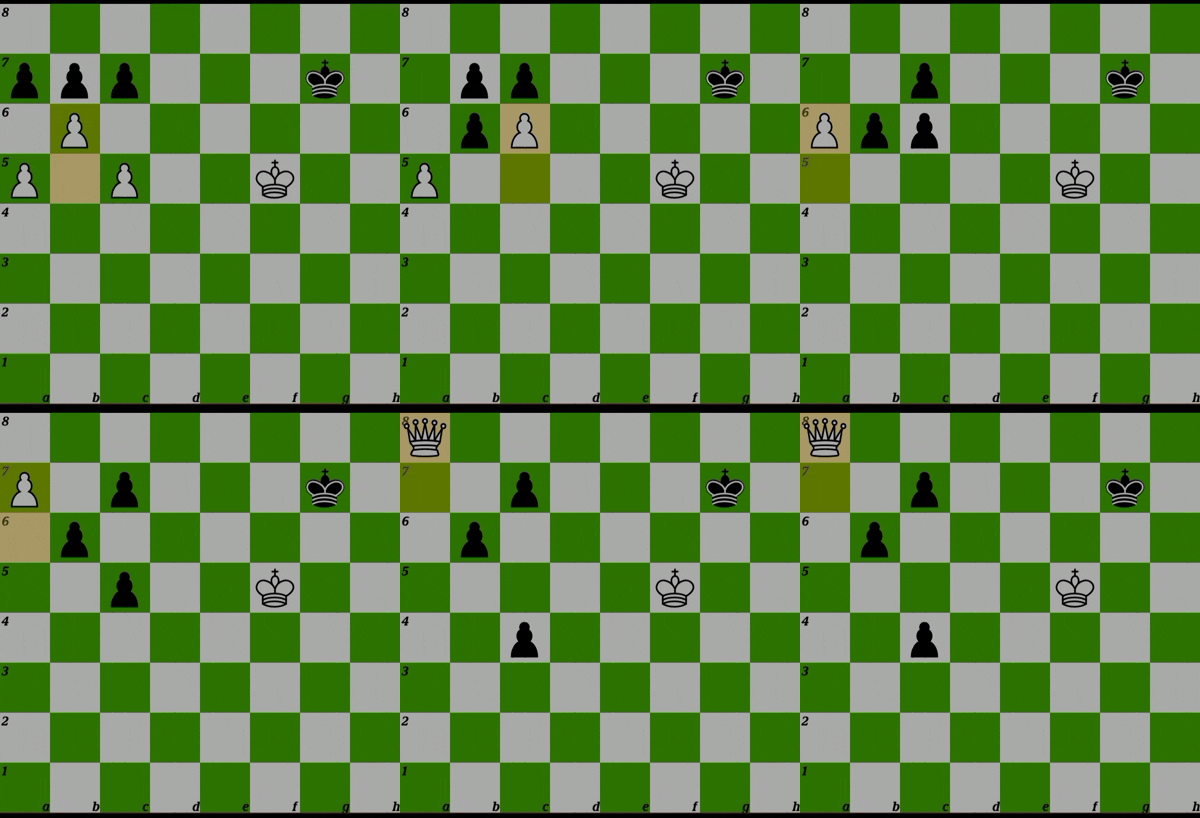
CONNECTED past pawn
PROTECTED past pawn
iSOLATED past pawn
OUTSIDE past pawn
CREATING A past pawn
PAWN STRUCTURE:
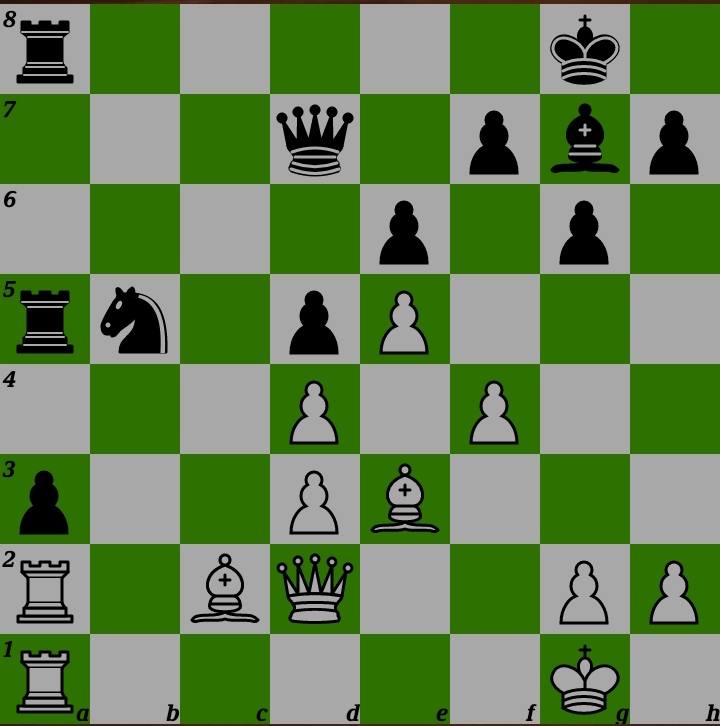
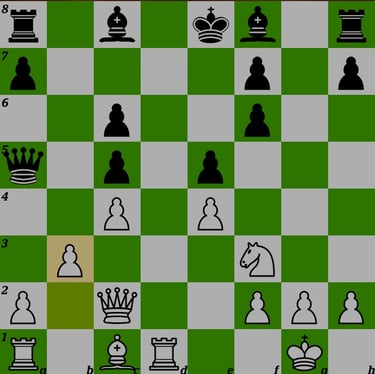
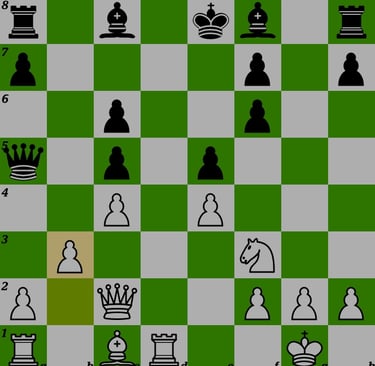
We can use the concept of pawn structure to our advantage. Whenever we see a pawn chain, we should try to attack the base of the chain. It means we should attack the least advanced pawn , as that pawn won't have any other pawn to support it. When we are the ones with the pawn chain, we should try to advance our most advanced pawn and use the other pawns to support it. However, in most cases, we should not push the advanced pawn all alone. An exception can be made in many Endgames, where there are few pieces to stop the advancing pawn.
here, WHITE HAS DOUBLE PAWNS, GIVING BLACK AN ADVANTAGE. MOREOVER, BLACK HAS AN OUTSIDE PAST PAWN. THUS, BLLACK HAS A BETTER PAWN STRUCTURE.
HERE,BLCK HAS MORE PAWN ISLANDS THAN WHITE. THUS, WHITE HAS A BETTER PAW STRUCTURE.
OPPOSITION:
Opposition is a very important concept. It relates to passage of pawn to promotion when there are only two Kings active. Let's dive into it.
In a situation where one party has a past pawn and neither sides have any other piece left, it is possible to determine weather the game ends in a draw or a win beforehand.
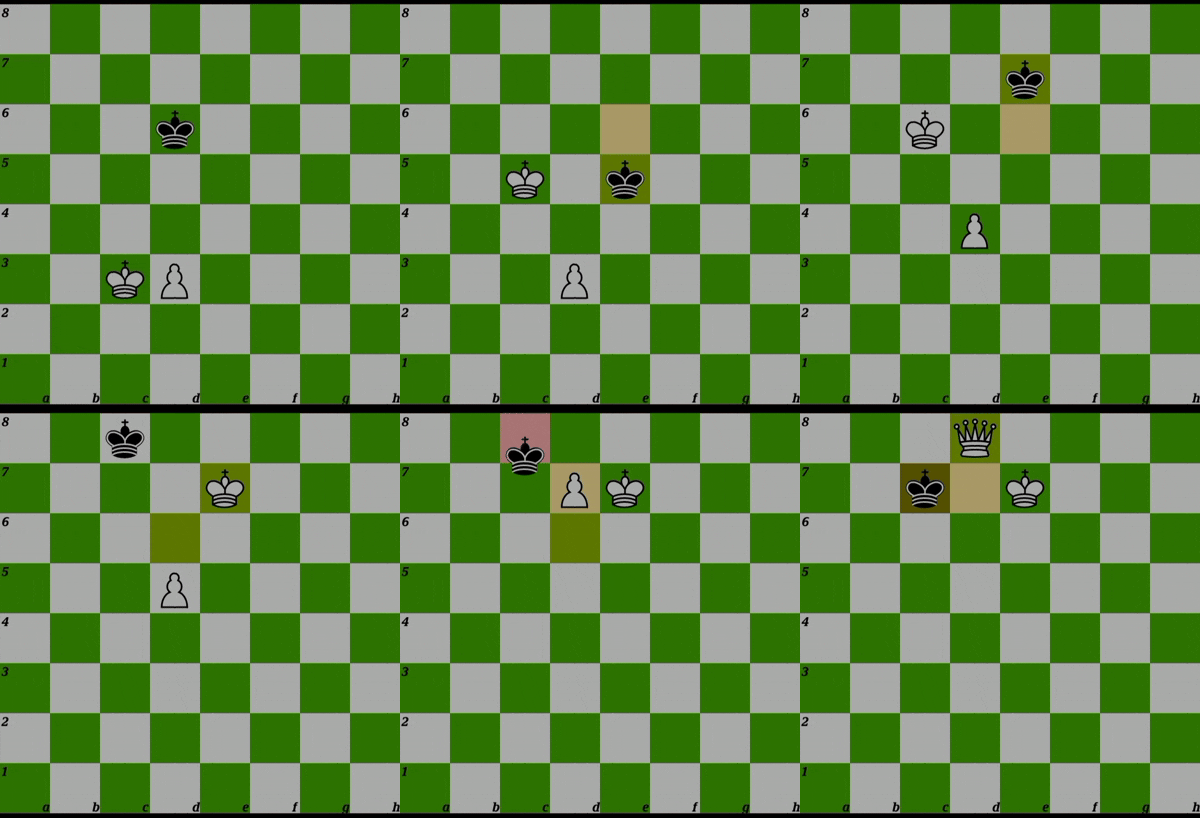
SO, what is opposition?.........Opposition is basically a position in which two kings stare at each other and block the other King's forward motion completely. For this to happen, there must be an odd number of squares between the Kings. Let's look at an example. In the following position, white has a pawn on d3 and the king on c4. Black only has a king on d6. If it is white's turn, white can play Kd4 to gain opposition. Meanwhile, if it is back to play, he can play Kc6 to gain opposition. whoever gains opposition takes control of the path of the pawn. Thus, the result is positive for the side who gains opposition(win for white or draw for black). once opposition is gained, one can continuously keep gaining the opposition by following the opposite King and keeping a odd distance of squares between them.
ROOK+ KING VS KING CHECKMATE:
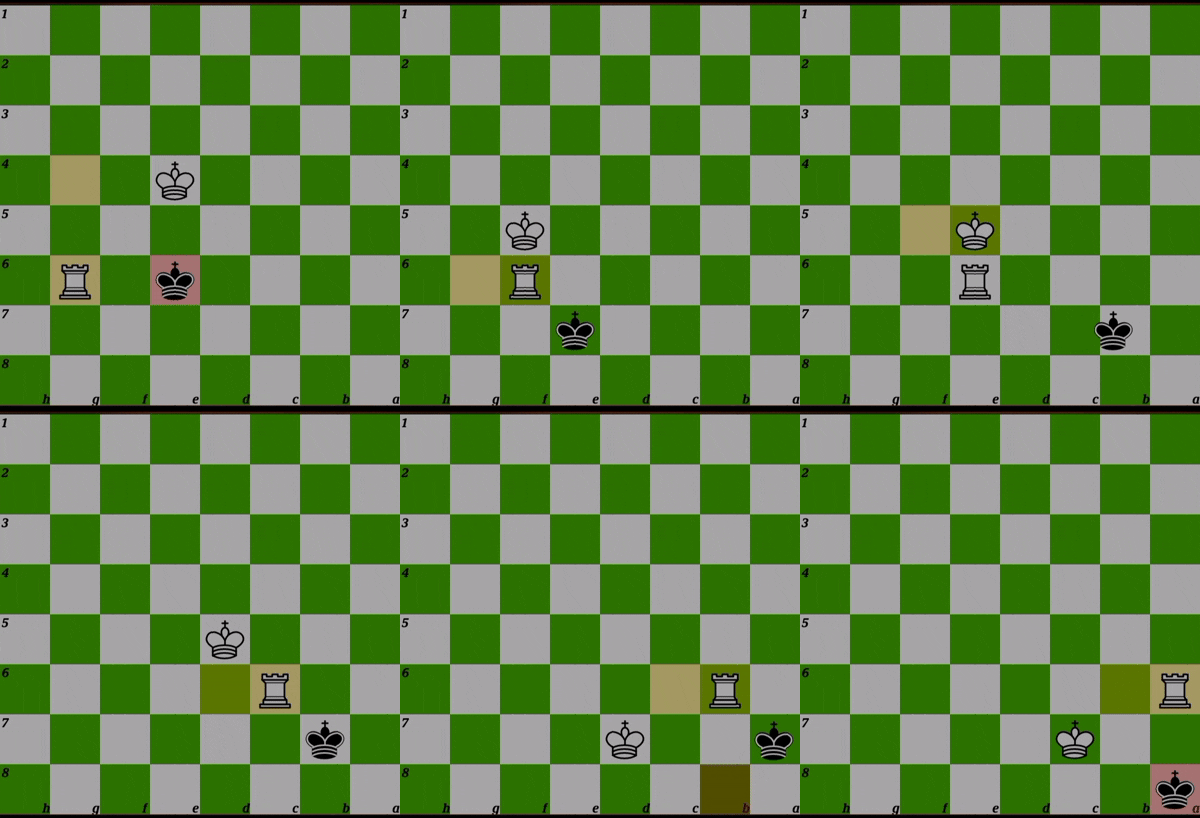
Winning a Rook and King vs king position is quite easy. The required steps are as follows:
cut the king off from the larger section of the board with the use of the Rook. This helps us to eventually force the King into the last rank, where the checkmate can be delivered.
bring our own King closer, eventually reaching the sixth rank.
gain opposition with the other king, and move the Rook to to the eighth rank to deliver checkmate.
DOUBLE BISHOP CHECKMATE:
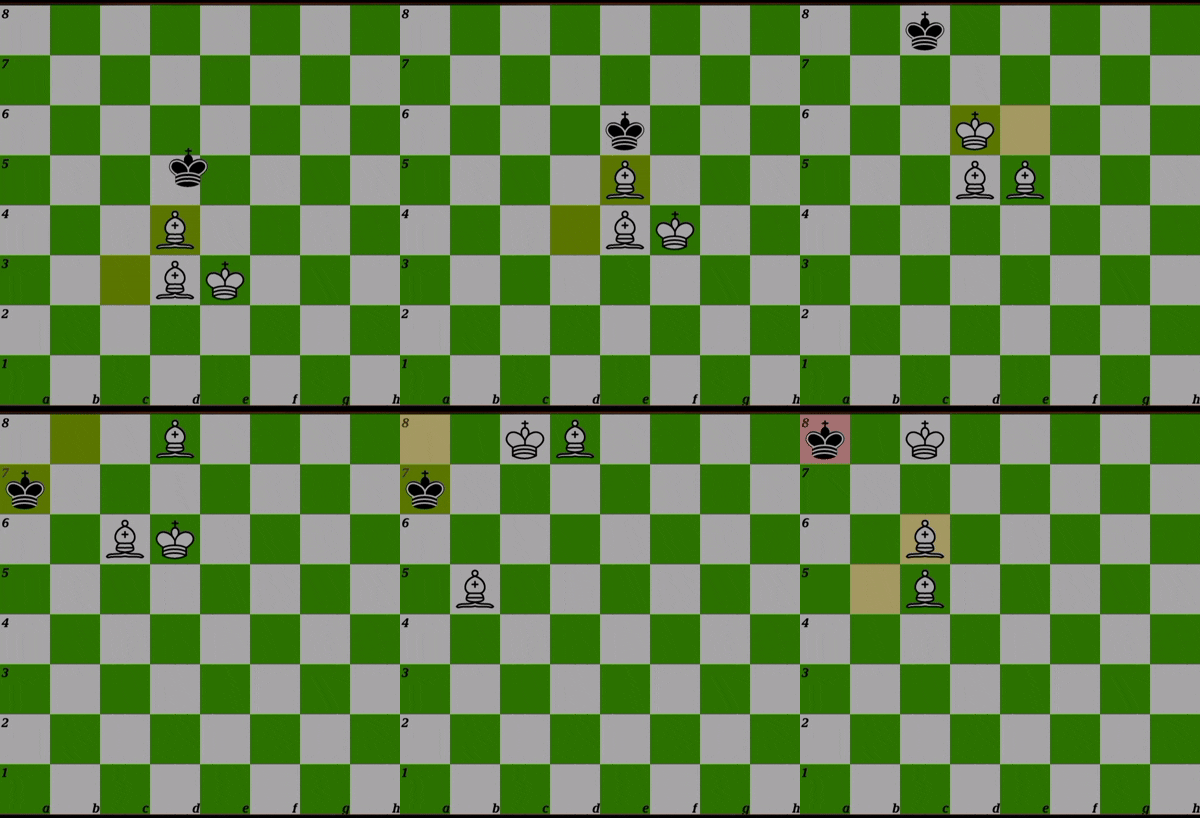
The step for checkmating with two Bishops of opposite colours ae as follows:
1. Make a sort of cage with the two Bishops to limit the mobility of the opponent's King.
2. Force the King to a last rank or column.
3. Use our King to push the other King to a corner.
4. Use the Bishop with the matching conner to deliver checkmate